

Why Speed Training Is Essential for Balance, Injury Prevention, and Healthy Aging
When most people hear the word speed, they picture sprinting, jumping, or something that feels risky, especially if they’re older, new to training, or managing a previous injury.
That’s understandable. It’s also why speed training often gets skipped.
At RE|DEFINE Fitness, speed training isn’t about moving recklessly. It’s about teaching the body and brain to respond efficiently, which becomes more important, not less, as we age.
Speed Is About Reaction, Not Just Movement
In everyday life, speed rarely looks like running fast in a straight line.
It looks like:
-
Catching yourself when you trip
-
Adjusting when you step on uneven ground
-
Turning quickly to avoid a collision
-
Reacting without overthinking
These moments rely on reaction speed, coordination, and the ability to produce force quickly and safely.
Training this on purpose makes those reactions automatic when it matters.
Better Balance Comes From Faster Responses
Traditional balance training often focuses on holding positions. While that has value, real-world balance depends on how quickly your body can correct itself.
Speed-focused exercises improve:
-
Neuromuscular communication
-
Joint awareness
-
Timing between muscles
In simple terms: your body learns how to respond before you consciously think about it.
That’s a major reason speed training plays such a big role in fall prevention and long-term independence.
Injury Prevention Isn’t About Moving Slower
One of the biggest myths in fitness is that slowing everything down makes you safer.
In reality, many injuries happen because the body can’t slow down or redirect fast enough.
Controlled speed training teaches:
-
Deceleration
-
Direction changes
-
Load absorption
For clients with previous injuries, this is especially important. When scaled appropriately, speed work builds confidence and resilience instead of fear and hesitation.
Speed Training and Aging: Use It or Lose It
Power and speed decline earlier and faster than strength as we age. This doesn’t mean they disappear; it means they need to be trained intentionally.
The benefits include:
-
Improved mobility
-
Faster protective responses
-
Better joint health
-
Higher overall movement confidence
The key is how speed is trained. Short efforts, plenty of rest, and excellent coaching make this type of work both safe and effective.
Cognitive Benefits You Can Feel
Speed training challenges more than muscles. It challenges the brain.
Reaction drills, decision-making, and coordination all stimulate cognitive function. Many clients notice improvements in:
-
Focus
-
Confidence
-
Mental sharpness
The brain and body adapt together and that connection becomes increasingly valuable over time.
What Speed Training Looks Like at RE|DEFINE
This isn’t chaos or competition. It’s intentional movement with clear purpose.
You may see:
-
Reaction-based drills
-
Change-of-direction work
-
Light plyometrics
-
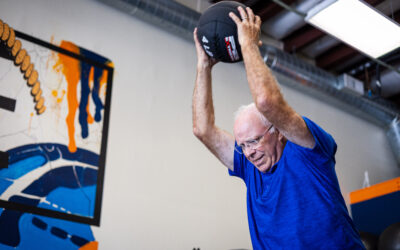
Strength movements performed with speed and control
Every exercise is scaled. Beginners, older clients, and those with injury history are coached with precision.
The Takeaway
Speed training isn’t about being fast.
It’s about being prepared.
Prepared to react.
Prepared to stay balanced.
Prepared to move confidently, now and in the future.
That’s why February and March matter. And that’s why this focus is one of the most valuable investments you can make in your long-term health.


0 Comments